Preventive Maintenance for Industrial & Commercial Dehumidifiers
When OEMs discontinue equipment lines or step away from service, your operations still depend on stable humidity. Many legacy industrial and commercial dehumidifiers were built to run for decades, but keeping them operational requires specialized knowledge that general HVAC contractors do not have.
We support older, unsupported, and orphaned dehumidification systems with a practical goal: maintain safe, stable performance while avoiding unnecessary replacement or inflated upgrade costs.
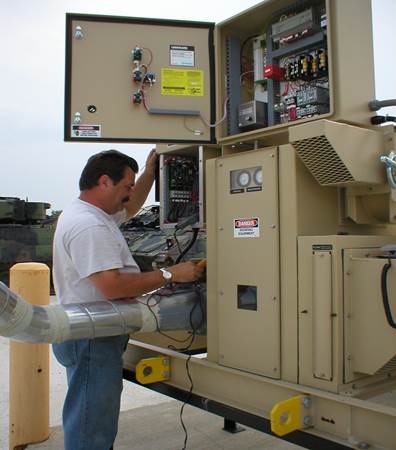
OEMs & Systems We Support
We work on legacy systems many service providers decline. Our experience spans discontinued platforms, aging controls, and mixed-generation equipment.
IAT
Factory-trained and authorized. Full support for legacy and current-generation industrial units.
Stulz — Legacy Dehumidification Systems
Trusted field support for discontinued Stulz dehumidifier models and humidity control equipment.

Munters, CDI, Bry-Air
Extensive hands-on experience servicing, maintaining, and troubleshooting older platforms, including systems with obsolete controls or limited parts availability.
Other Legacy or Discontinued OEMs
Many dehumidifiers remain in service long after manufacturers reduce or eliminate support. If the OEM no longer offers service or no longer exists, we can usually help.
The Reality of Legacy System Costs
Legacy systems often fail in ways that are not obvious on the surface. A common trigger is controls reaching end-of-life.
In recent projects, we’ve seen:
- Process controllers that originally cost under $1,000 now quoted at $20,000+ due to OEM end-of-life, redesign requirements, or forced platform migration
- OEM recommendations that default to full control replacement or system redesign when targeted engineering solutions would restore function
In some cases, full replacement is justified.
In others, it is not.
Our role is to determine which situation you are actually in.
Common Problems with Legacy Systems
Older industrial and commercial dehumidifiers often struggle with:
- Obsolete or discontinued parts
- Control panel or PLC failures
- Sensor drift and calibration loss
- Degraded heaters or desiccant media
- Airflow and static pressure losses
- Aging electrical components
- Corrosion or mechanical wear
- Reduced ability to meet RH targets
- Frequent alarms and nuisance faults
- Integration conflicts with newer HVAC or process systems
These problems require technicians who understand both the equipment and the original design intent, not just modern replacements.
How We Support Legacy & Orphaned Equipment
Our approach is engineering-first and cost-aware, with no default assumption that replacement is the answer.
- 1
Diagnostic Evaluation
We assess actual performance, controls, airflow, and mechanical condition in the context of how the system was designed to operate.
- 2
Parts Sourcing or Engineered Alternatives
When OEM parts are unavailable or cost-prohibitive, we identify compatible equivalents or engineered retrofit paths.
- 3
Control System Repair or Augmentation
In many cases, we restore functionality by augmenting controls, rewiring logic, or integrating modern components without full system replacement.
- 4
Performance Stabilization
Airflow, controls, and mechanical adjustments are made to regain RH stability and predictable operation.
- 5
Replacement Planning When Truly Necessary
If the equipment is at genuine end-of-life, we provide clear options for replacement, redesign, or capacity upgrades. No pressure. No inflated urgency.
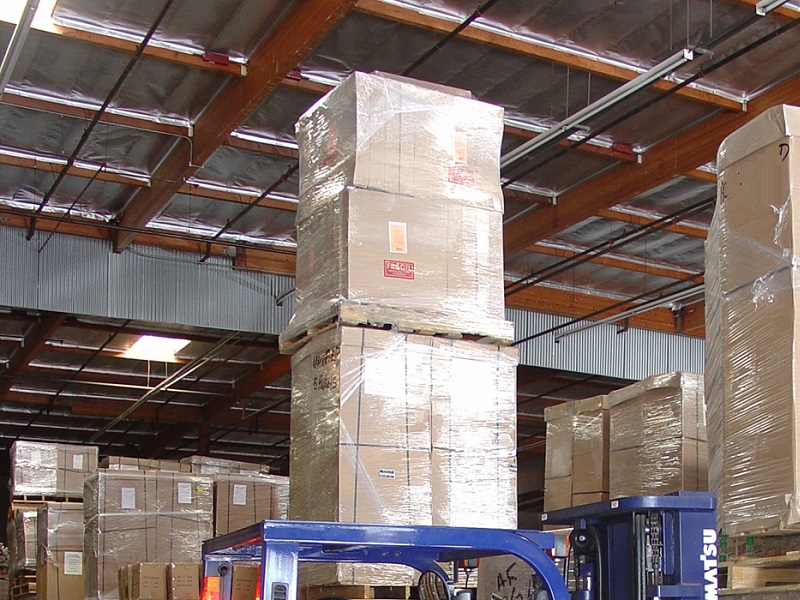
Benefits of Supporting Legacy Equipment
Supporting legacy systems protects both operations and capital investment:
- Avoids unnecessary full replacements
- Prevents cost escalation driven by OEM end-of-life policies
- Reduces downtime and operational disruption
- Maintains RH control for sensitive processes
- Works within existing infrastructure
- Improves safety and reliability of aging equipment
- Provides clarity for long-term planning
A properly supported legacy system can often operate reliably for many more years.
Industries and Environments We Assist
Commercial processing environments
Packaging and materials handling
Logistics and cold chain facilities
Manufacturing environments
Pharmaceutical and controlled spaces
Precision electronics and technical rooms
Maritime and shipboard environments
Climate-controlled storage
Government and institutional facilities
If the equipment still runs and humidity matters, we support it.